Hello!
You may have noticed this isn’t a November newsletter (it’s Dec. 1!) — and that’s intentional. I wanted to give you uninterrupted Thanksgiving time with your loved ones, and I also needed a moment to fully absorb my unforgettable coaching trip to Vienna. Now that I have, I’m thrilled to share it with you. Consider this your early-December spark of brightness! ✨
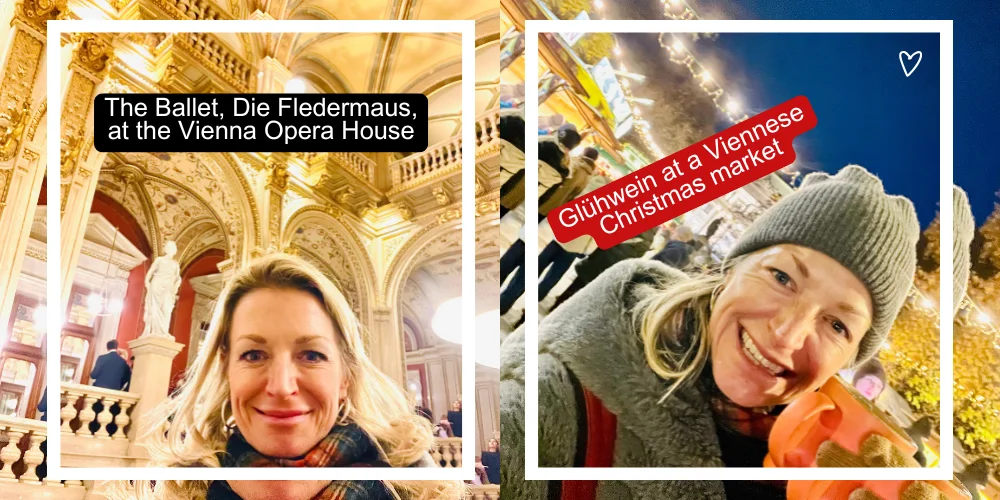
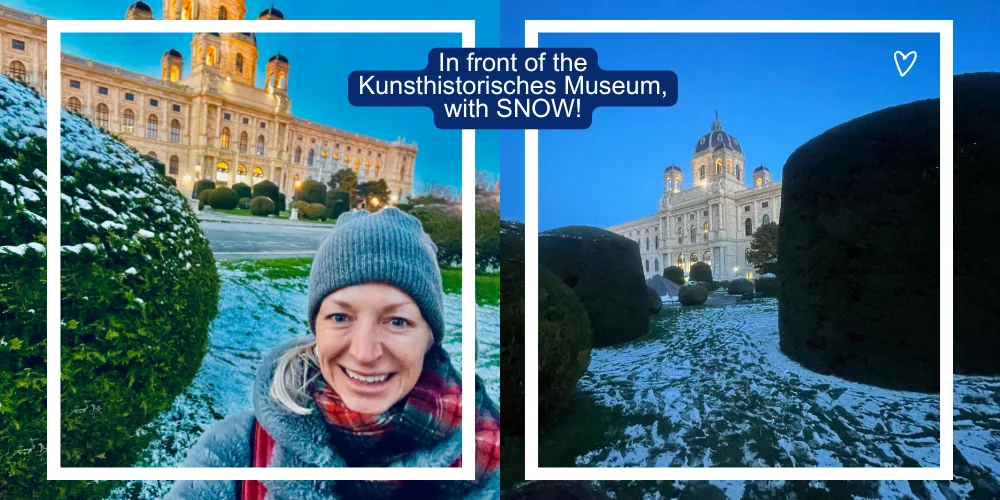
I’ve just returned from beautiful Vienna, where I was invited to train a team on How to Present to Senior Executives — a program I’m often brought in to teach around the world.
Working in different countries always gives me a new perspective. Each team communicates differently, and adapting to those nuances is one of the most rewarding parts of my work.
They’re Not All the Same: Speak to the Audience in Front of You
Coaching in Austria gave me fresh insights into how communication shifts in different environments.
A quick note before I share my observations: these reflections come from working with one specific team — eight Austrians, one Slovenian, and one Egyptian. What I noticed applies to them, not to a country or culture as a whole. Human communication is too rich and complex to generalize.
Here are the two insights that stayed with me:
1. A Calm, Understated Communication Style
Working mostly with Americans and Italians, I’m used to communication that tends to be energetic, animated, and outwardly expressive.
In Vienna, this team had a different style — measured, subtle, and intentional. Their gestures were smaller, their physical presence quieter, and their vocal clarity excellent. What surprised me the most was their humor! Warm, surprising, and frequent — which made our work both joyful and engaging.
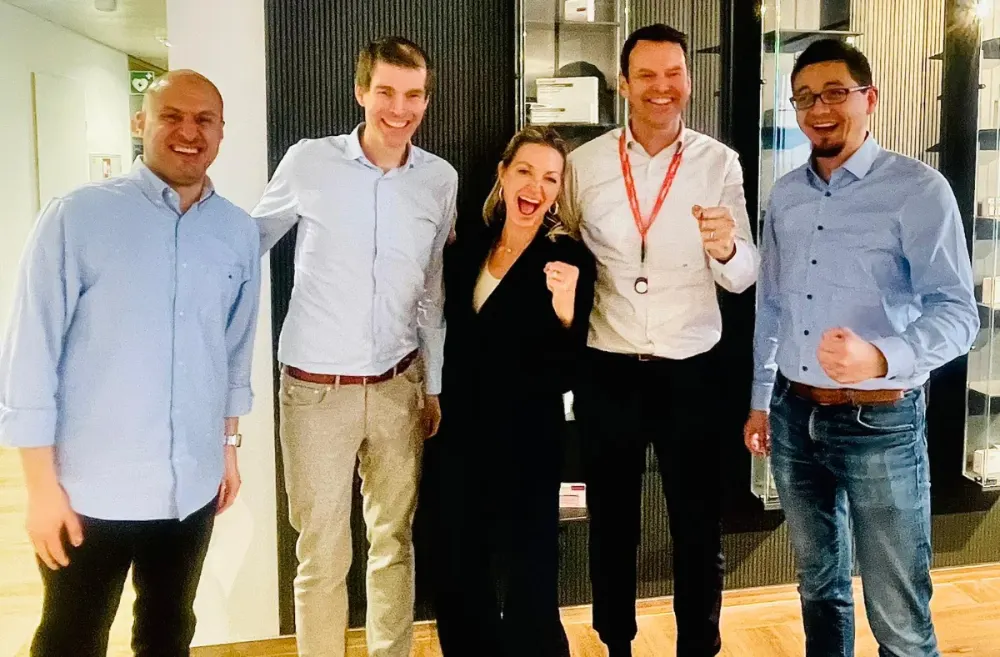
As a coach, I adapted. Instead of encouraging big expressive movements (which would have felt forced and aren’t ideal for executive settings anyway – no matter the country or culture), I focused on the powerful tools that matched their natural style: stillness, strong eye contact, intentional gestures, vocal modulation, and an open, confident stance.
Not to change them — but to help them amplify what already comes naturally to them. To make their authentic style stronger, clearer, and more confident.
2. They Responded Best to Gentle, Collaborative Feedback
This group engaged most deeply when feedback was:
- gentle
- shared collectively
- non-emotional
- supported by modeling and encouragement
When my feedback became too direct, I saw some participants close off.
So I shifted, by bringing in more dialogue, more demonstration, and more collective learning.
The result? More confidence, more engagement, and a room that felt safer, curious, and open.
This reinforced a core truth of communication coaching:
Effective guidance always starts with active listening, careful observation (using both the eyes and the ears), and empathy.
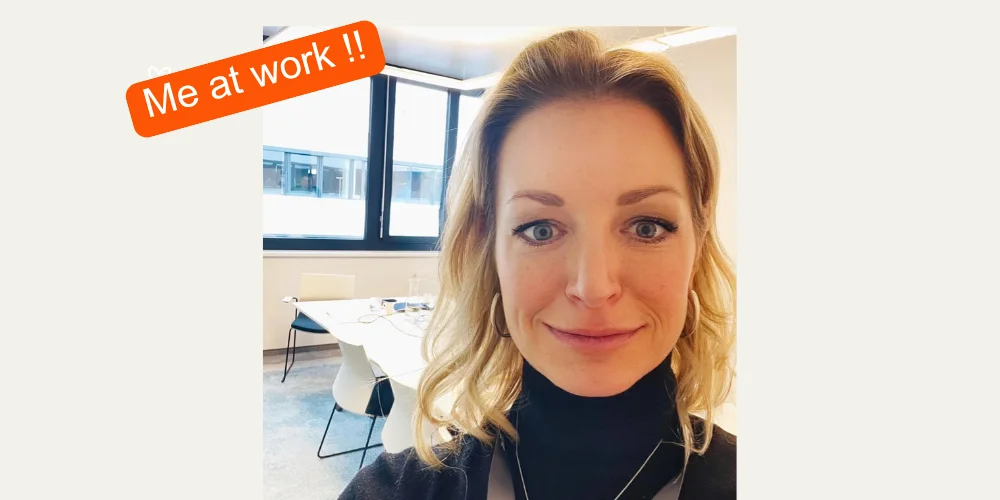
Audience-Centered Speaking
Why This Matters for Every Presenter
Whether you’re presenting across countries, across departments, or across generations, one question always shapes your success:
Who is my audience, how do they communicate, and what do they need from me?
Not:
What do I want to say?
How do I want to say it?
Audience analysis isn’t about making assumptions — it’s about observing, listening, and adapting in real time.
A Final Thought From This Trip
My experience with this team in Vienna reminded me of something I adore about communication: charisma is intangible.
Sometimes charisma is big and vibrant.
Sometimes it’s quiet, warm, bubbly, and thoughtful.
What I love is that no matter where I work or who I work with—Austrians or Americans, introverts or extroverts—everyone can grow into more powerful speakers when they have the right tools, techniques, and the support of good coaching and feedback.
If you’re preparing for a high-stakes presentation or want to feel more confident adapting your speaking style to different audiences, I’d love to support you. Just reply to this email and we’ll schedule your next session.
Upcoming 2026 Retreat in Tuscany!
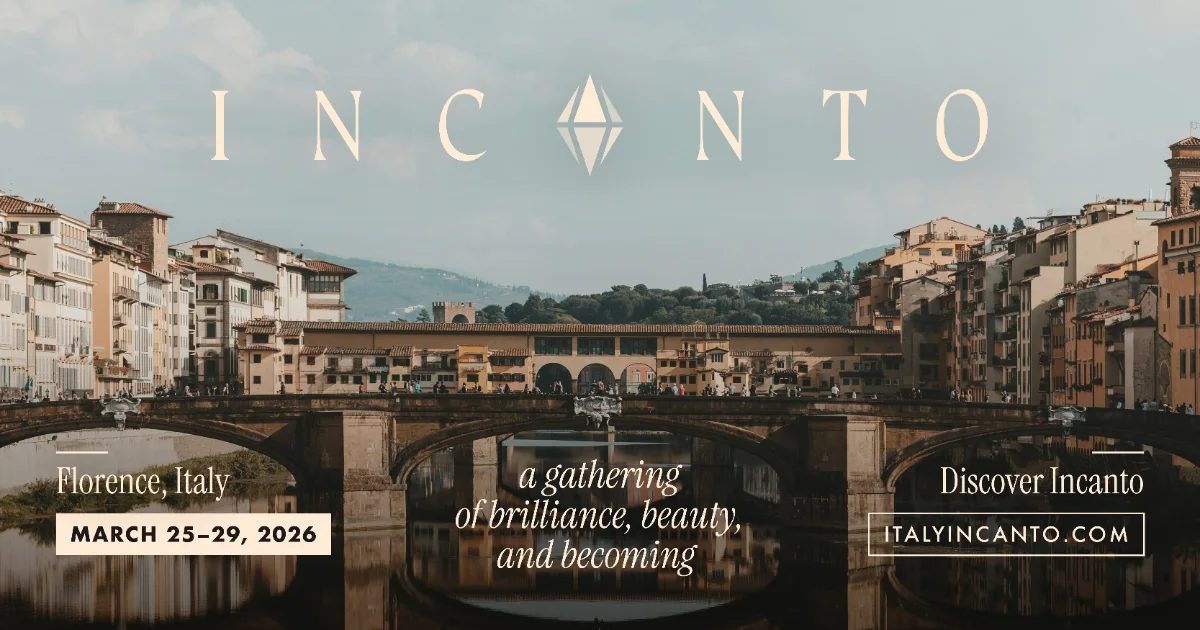
Every now and then, an invitation comes along that feels like a wholehearted “yes.”
This March, I’ll be one of the instructors for a 5-day Renaissance immersion retreat in Florence — an intimate exploration of art, craft, voice, food, beauty, and the kind of inner leadership that reshapes a life.
Have you been needing a change? This is your chance—don’t miss an experience that could truly shift something in you.
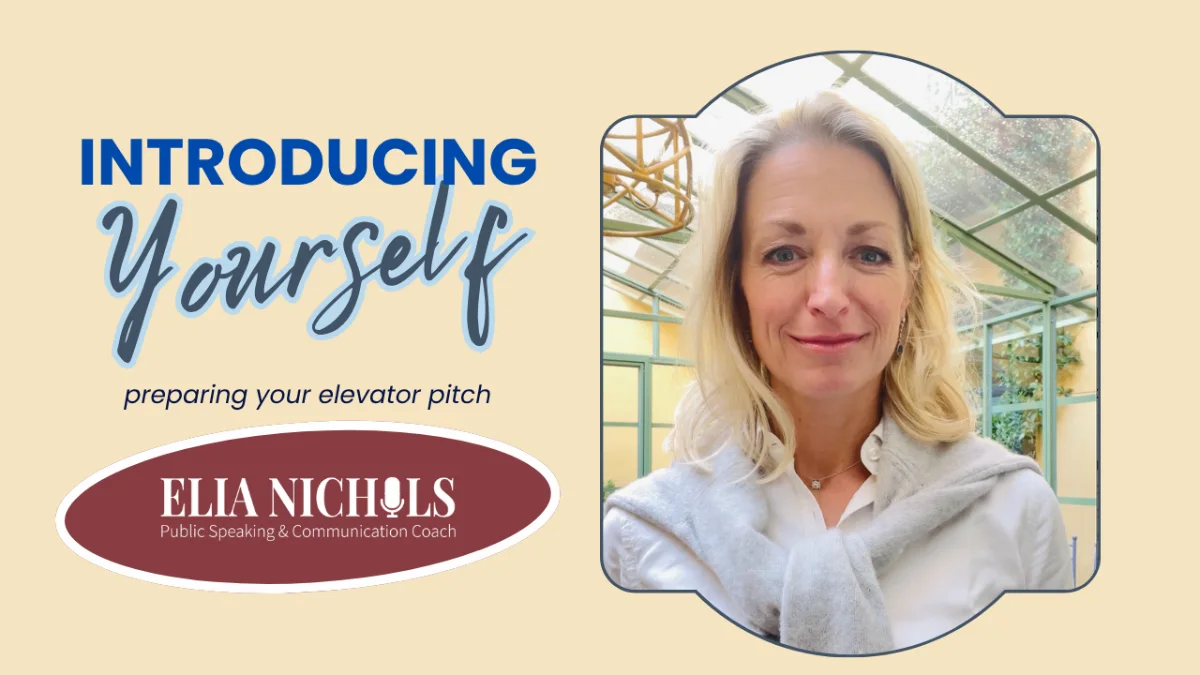
Did you miss last month’s Speak Easy Secret?
A new client recently told me, “I hate introducing myself.”
And I understood exactly what he meant.
We introduce ourselves constantly — in meetings, at events, on Zoom — yet so many people stumble, apologize, or leave feeling like they made a weaker impression than they hoped.
But here’s the funny thing: there’s no one you know better than yourself.
Logically, introducing yourself should be the easiest thing in the world… right?
Here is a tutorial with a few tips on how to improve your introduction … and your success!
With gratitude (and warm memories of my time with this wonderful Viennese team),
Elia
Communicate the best of yourself.
PS – If this info was helpful, please pass it on to someone else who could find it beneficial!